

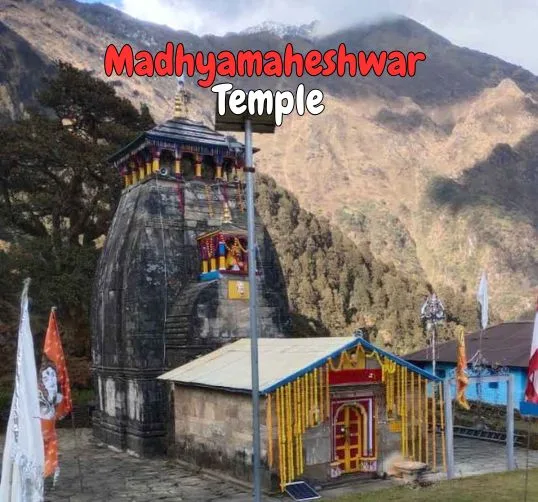
The majestic peaks of the Garhwal Himalayas hold secrets that only the most patient and determined travelers ever uncover. Among the sacred Panch Kedar temples dedicated to Lord Shiva, Madhyamaheshwar stands out as a destination that perfectly balances raw natural beauty with profound spiritual energy. Located at an altitude of approximately 3,497 meters in the Mansuna region of Uttarakhand, this trek is not just a physical challenge but a soul-stirring experience. For those seeking a path less traveled compared to the crowded trails of Kedarnath, the Madhyamaheshwar Trek offers a sanctuary of peace, lush green meadows, and breathtaking views of the Chaukhamba massif. Whether you are a seasoned trekker or a beginner looking for your first Himalayan adventure, this guide will walk you through every detail you need to plan a successful journey.
Understanding the Significance of Madhyamaheshwar Temple
Before lacing up your trekking boots, it is essential to understand why this place holds such a special spot in the hearts of millions. According to Hindu mythology, the Madhyamaheshwar Temple is the second temple to be visited in the Panch Kedar pilgrimage circuit. Legend has it that after the Kurukshetra war, the Pandavas sought atonement for their sins by seeking Lord Shiva. Shiva, wishing to avoid them, took the form of a bull and dived into the ground at Guptkashi. His body parts later reappeared at five different locations. At Madhyamaheshwar, the middle part or the navel of Lord Shiva is worshipped. This divine connection creates an atmosphere of immense devotion that greets you the moment you step into the temple precincts.
-
Panch Kedar Connection: It is the second temple among the five sacred Shiva shrines in Uttarakhand.
-
Unique Architecture: Built in the classic North Indian Nagara style with heavy, ancient stones.
-
Spiritual Legend: Dedicated to the worship of the middle part (Madhya) or navel of Lord Shiva.
-
Breathtaking Backdrop: Surrounded by the snow-capped peaks of the Kedarnath, Neelkanth, and Chaukhamba massifs.
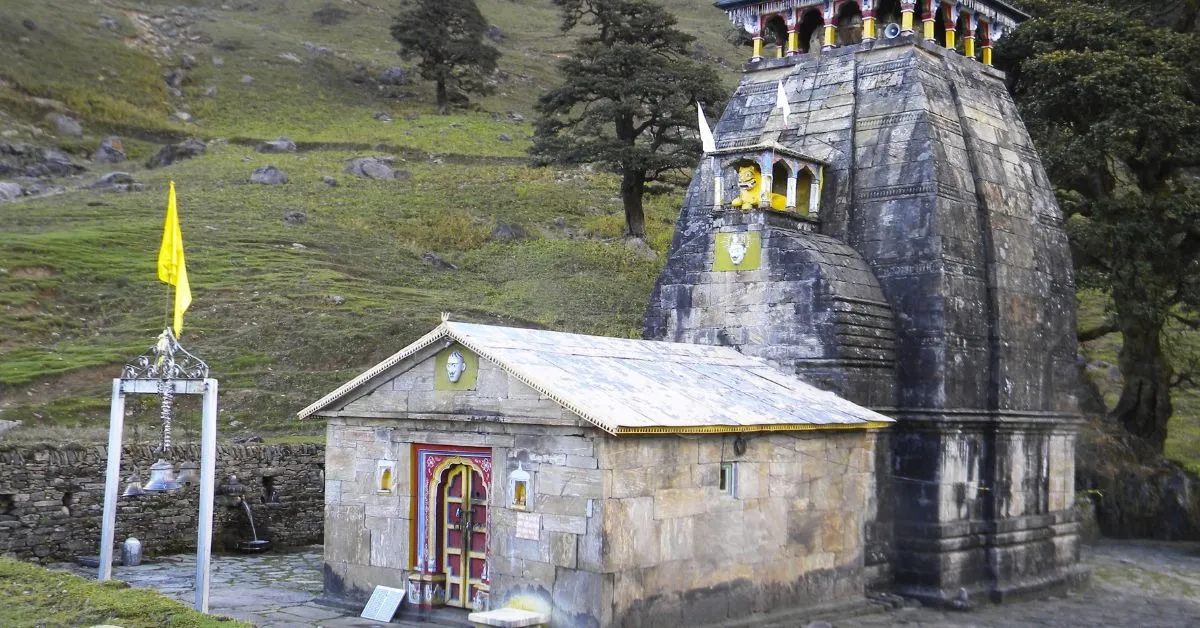
The architecture of the temple is a classic example of the North Indian Nagara style, built with heavy stones to withstand the harsh mountain winters. Unlike many other commercialized trekking routes, the vibe here remains authentic and rooted in tradition. The priests usually hail from South India, following a tradition established by Adi Shankaracharya. This blend of cultures in the heart of the Himalayas is a testament to the diverse spiritual fabric of India. Visiting this temple is as much about witnessing the ancient stone carvings and participating in the evening aarti as it is about the grueling climb that gets you there.
Best Time to Plan Your Madhyamaheshwar Trek
Timing is everything when it comes to high-altitude trekking in Uttarakhand. The window for the Madhyamaheshwar Trek is relatively narrow due to the heavy snowfall that shuts down the region during the winter months. Typically, the temple doors open in May and close by the end of October or early November. For those who love vibrant landscapes, the months of May and June are ideal. During this period, the snow has just melted from the lower reaches, and the rhododendrons are in full bloom, painting the mountainsides in shades of crimson and pink. The weather is pleasantly cool during the day, making the steep ascent much more manageable for beginners.
-
Summer (May to June): Perfect weather with clear trails and blooming rhododendrons.
-
Monsoon (July to August): Lush greenery everywhere but prone to landslides and slippery paths.
-
Post-Monsoon (September to October): The best time for photography with crystal clear views of the peaks.
-
Winter (November to April): The temple remains closed due to heavy snow, and the idol is shifted to Ukhimath.
If you prefer a more dramatic landscape with crystal clear views of the peaks, the post-monsoon season from September to October is the gold standard. After the rains wash away the haze, the sky turns a deep indigo, providing a sharp contrast to the snow-capped summits of Chaukhamba, Kedarnath, and Neelkanth. The meadows, known locally as Bugyals, are at their greenest during this time. However, one must be cautious about trekking in July and August. While the monsoon makes the valley look like a fairytale, the region is prone to landslides and the trails can become extremely slippery and leech-infested. If you are a beginner, it is highly recommended to stick to the pre-monsoon or autumn windows for a safer and more enjoyable experience.
5 Best Tourist Places to Visit in the Maldives
Detailed Route Map and Itinerary
The journey to the feet of Lord Shiva begins long before you hit the trail. Most travelers start their journey from Rishikesh or Dehradun. From here, a long but scenic drive of about 180 to 200 kilometers takes you to Ukhimath, the winter seat of Lord Kedarnath and Madhyamaheshwar. Ukhimath serves as the perfect base camp where you can acclimatize to the rising altitude. After spending a night here, you will drive further to Ransi Village, which is the actual starting point of the trek. Ransi is a quaint Himalayan hamlet where the motorable road ends, and your true adventure on foot begins.
-
Day 1: Drive from Rishikesh/Dehradun to Ukhimath (approx. 7-8 hours).
-
Day 2: Drive from Ukhimath to Ransi (30 km), then trek to Gaundhar/Bantoli (6-8 km).
-
Day 3: Trek from Bantoli to Madhyamaheshwar Temple (approx. 9-10 km steep climb).
-
Day 4: Visit Buda Madhyamaheshwar in the morning and trek back down to Ransi.
-
Day 5: Drive back from Ransi to Rishikesh/Dehradun.
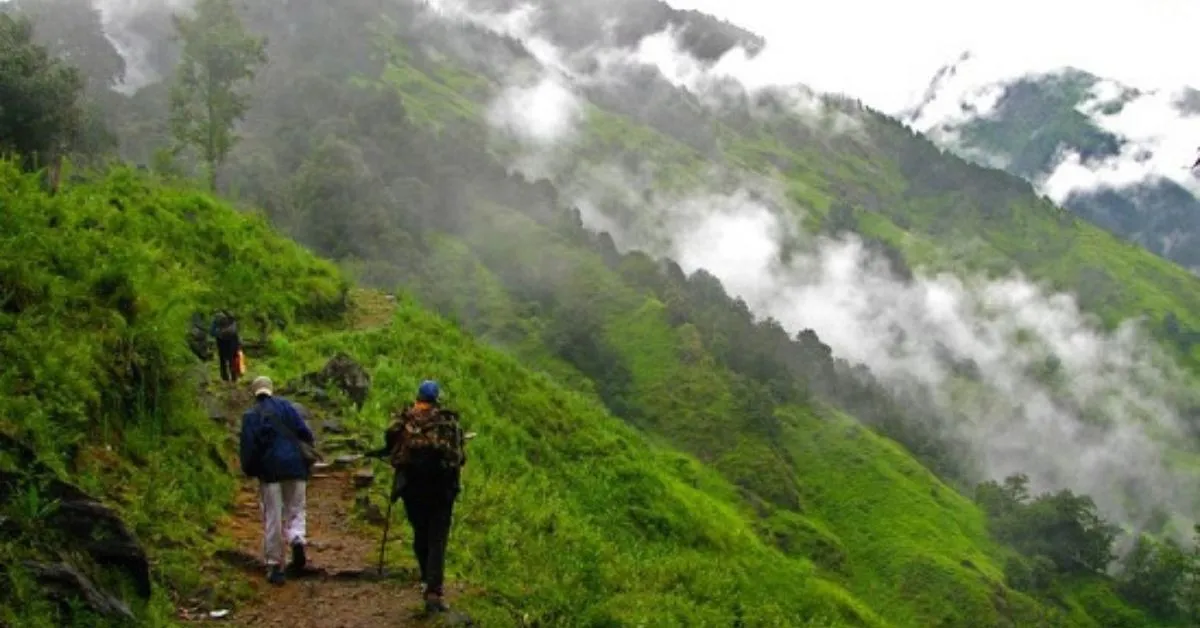
The first leg of the trek from Ransi to Gaundhar is relatively easy, covering about 6 to 8 kilometers of downhill and flat terrain. You will cross the confluence of the Madhyamaheshwar Ganga and Markandeya Ganga rivers, a spot that radiates tranquility. Gaundhar or the nearby village of Bantoli is where most trekkers halt for the first night. From Bantoli, the real challenge begins. The trail becomes a relentless steep ascent through dense forests of oak and cedar. You will pass through small settlements like Khatara and Nanu. The stretch from Nanu to Madhyamaheshwar is approximately 6 kilometers of vertical climbing, which can be taxing on the lungs. Slow and steady progress is the key here as you slowly emerge from the forest line into the vast, open alpine meadows of the temple complex.
Analyzing the Difficulty Level for Beginners
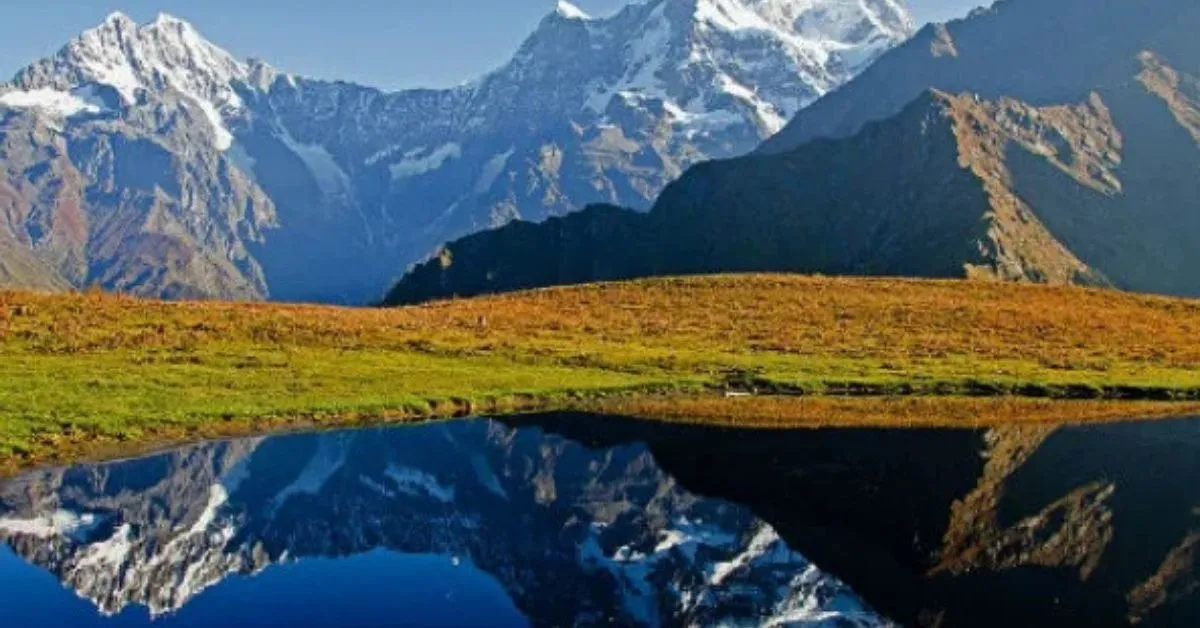
A common question among aspiring trekkers is whether the Madhyamaheshwar Trek difficulty level is suitable for someone with no prior experience. To be honest, while it is classified as a moderate trek, it does demand a decent level of physical fitness. The total trekking distance is approximately 16 kilometers one way, and a significant portion of that involves a steep incline. Unlike the trek to Kedarnath, which has a well-paved path for a large part, the trail to Madhyamaheshwar is more rugged and raw. Beginners should focus on building their cardiovascular endurance at least a month before the trip through jogging, swimming, or cycling.
-
Total Distance: Roughly 32 kilometers (round trip) from Ransi village.
-
Steep Incline: The section from Bantoli to Nanu and onwards is quite vertical.
-
Altitude Gain: You climb from 1,300 meters to nearly 3,500 meters.
-
Terrain: A mix of forest trails, stone-paved steps, and open meadows.
The primary challenge isn't just the distance but the altitude gain. Starting from around 1,300 meters at Ransi and reaching nearly 3,500 meters at the temple means your body needs time to adjust to lower oxygen levels. However, the well-defined trail and availability of local homestays along the way make it accessible. You don't necessarily need to carry heavy camping gear if you plan your halts at Gaundhar and Nanu. For a beginner, the key is to avoid rushing. If you listen to your body and maintain a consistent pace, the sense of achievement you feel upon seeing the temple spire against the backdrop of the mountains will far outweigh any physical exhaustion.
Essential Tips for a Successful Trekking Experience
Preparation is the bridge between a stressful trip and a memorable adventure. When packing for the Himalayan trekking experience, layering is your best friend. Even in the peak of summer, temperatures at the top can drop significantly once the sun goes down. Ensure you have high-quality thermals, a fleece jacket, and a waterproof outer shell. Footwear is perhaps the most critical part of your gear. Invest in a pair of sturdy trekking boots with good ankle support and a reliable grip, as the trail can be rocky and uneven. Don't forget to carry a pair of trekking poles; they are lifesavers during the steep descent, reducing the impact on your knees.
-
Pack Light: Only carry essentials as every extra kilogram feels heavier on steep climbs.
-
Hydration: Drink at least 3-4 liters of water daily to prevent Altitude Sickness (AMS).
-
Footwear: Wear broken-in trekking shoes to avoid painful blisters on the trail.
-
Cash: Carry enough cash as there are no ATMs beyond Ukhimath or Guptkashi.
-
Medical Kit: Include bandages, pain relievers, and medicines for motion sickness and altitude.
Hydration and nutrition are equally vital. While there are small tea stalls along the route providing basic refreshments like Maggi, parathas, and tea, it is wise to carry energy bars, nuts, and electoral powder. Drinking plenty of water is the simplest way to ward off Altitude Mountain Sickness (AMS). Always carry a basic medical kit containing bandages, antiseptic creams, and medicines for headaches or stomach upsets. Furthermore, since mobile connectivity is almost non-existent beyond Ransi, inform your family about your itinerary beforehand. Carrying a power bank is essential if you plan on taking hundreds of photos of the stunning landscape, as electricity can be erratic in the remote mountain villages.
Exploring Buda Madhyamaheshwar: The Hidden Gem
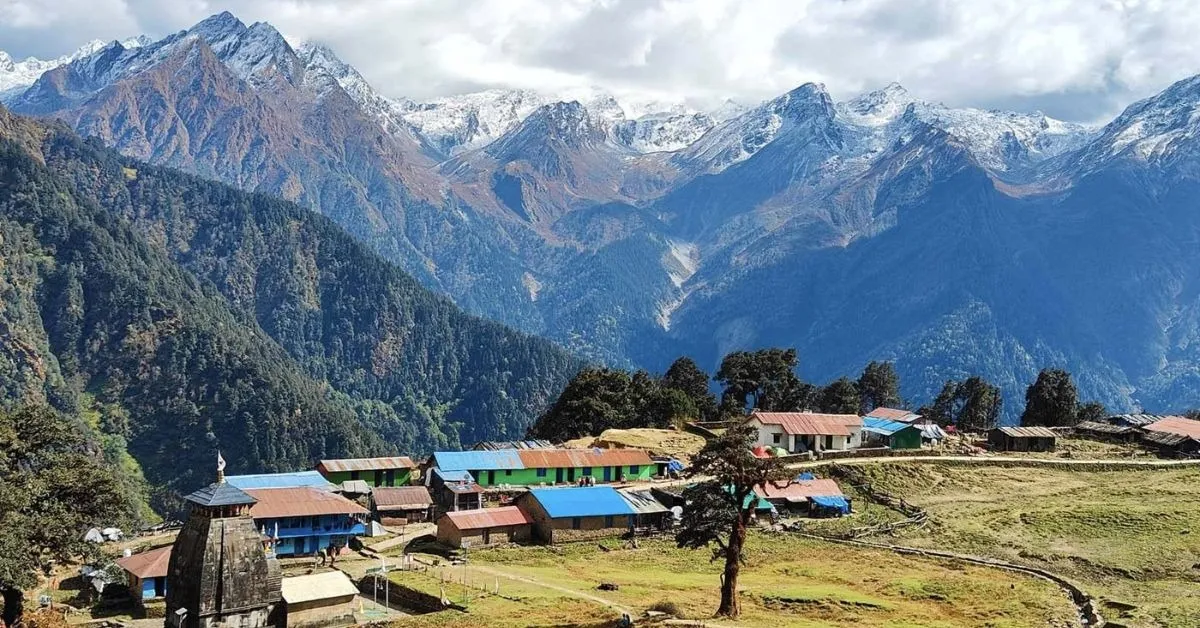
Many trekkers make the mistake of reaching the main temple and turning back the next morning. However, if you have made it this far, you must not miss the hike to Buda Madhyamaheshwar. Located about 2 kilometers above the main temple, this ridge offers arguably the best panoramic views in the entire Garhwal region. The climb is short but steep, taking about 45 minutes to an hour. Once you reach the top, you are rewarded with a 360-degree view of the Himalayas. On a clear day, the reflection of the Chaukhamba peaks in the small glacial ponds at the top is a sight that will stay with you forever.
-
Extra Altitude: It sits at an elevation of about 3,800 meters.
-
Sunrise Views: Reaching here before dawn offers a spectacular view of the sun hitting the peaks.
-
Glacial Ponds: Small, serene water bodies that reflect the mighty mountains like a mirror.
-
Spiritual Solitude: A much quieter spot compared to the main temple area.
Buda Madhyamaheshwar is considered the "Old" Madhyamaheshwar and consists of small stone structures and an open meadow. It is the perfect spot for meditation or simply sitting in silence to absorb the grandeur of nature. The wind howls across the ridge, and the only other sound you might hear is the distant chime of temple bells or the call of a Himalayan Monal. This spot is also a photographer’s paradise, especially during sunrise and sunset when the peaks turn into glowing embers of gold and orange. Including this short excursion in your itinerary for Madhyamaheshwar adds a whole new dimension to your spiritual and adventurous journey.
Top 10 Hidden Tourist Villages in Uttarakhand
Accommodation and Food Options on the Trail
The hospitality of the local people in the Garhwal hills is legendary, and you will experience it firsthand on this trek. Do not expect luxury hotels or high-end resorts once you leave Ukhimath. Instead, you will find charming local homestays and basic guest houses in villages like Ransi, Gaundhar, and Nanu. Staying in these homestays is a wonderful way to learn about the local culture and enjoy home-cooked meals. Most places offer a simple bed with warm blankets and shared bathroom facilities. At the Madhyamaheshwar temple site itself, there are a few guest houses managed by the temple committee and local villagers that provide basic shelter to pilgrims and trekkers.
-
Ukhimath: Good range of guest houses, hotels, and GMVN (Government) tourist bungalows.
-
Ransi & Gaundhar: Cozy local homestays that offer a glimpse into Pahadi lifestyle.
-
Madhyamaheshwar: Basic rooms and shared dharamshalas provided by the temple committee.
-
Local Food: Freshly prepared Dal, Chawal, Roti, and the occasional Mandua ki Roti (millet bread).
The food available on the trek is simple, nutritious, and soul-satisfying. You will mostly find traditional North Indian fare like dal, chawal, sabzi, and roti. In the lower villages, you might get a taste of local Pahadi delicacies like Gahat ki Dal or Mandua ki Roti, which are highly recommended for their high nutritional value. It is best to avoid heavy, oily foods or alcohol during the trek as they can hinder your body's ability to acclimatize. Stick to hot, freshly prepared meals and carry some ginger or lemon to help with digestion at high altitudes. The simplicity of the food, combined with the crisp mountain air, makes every meal feel like a feast.
Cultural Etiquette and Environmental Responsibility
As a traveler in these sacred mountains, it is our responsibility to maintain the sanctity and cleanliness of the region. The Panch Kedar circuit is a deeply religious site for many, so it is important to dress modestly and respect local customs. When visiting the temple, remove your shoes and avoid taking photos inside the sanctum sanctorum where it is prohibited. Interacting with the locals with a smile and a "Namaste" goes a long way in building a friendly rapport. Remember that you are a guest in their home, and following their traditions is a sign of a conscious traveler.
-
Respect Traditions: Dress conservatively and follow temple rules regarding photography.
-
Waste Management: Carry back all your plastic waste and wrappers to the base camp.
-
Support Local: Buy supplies and stay in local homestays to help the village economy.
-
Conserve Water: Use water sparingly as it is a difficult resource to manage at high altitudes.
Environmental conservation is another crucial aspect of trekking in the Himalayas. The ecosystem here is extremely fragile. Please follow the principle of "Leave No Trace" by not littering on the trail. Carry a small bag to collect your wrappers and plastic bottles and bring them back to the base for proper disposal. Avoid using loud speakers or playing music that can disturb the local wildlife and the peace of fellow trekkers. Water is a precious resource in the mountains, so use it sparingly. By being a responsible trekker, you ensure that the beauty of the Madhyamaheshwar valley remains preserved for future generations of adventurers and devotees to enjoy.
Conclusion
The Madhyamaheshwar Trek is more than just a box to tick off your bucket list; it is an immersive experience that challenges your body and enriches your spirit. From the rhythmic sound of the trekking poles hitting the stones to the ethereal sight of the evening aarti under a starlit sky, every moment on this trail is a lesson in resilience and humility. You start as a traveler, but by the time you reach the sacred meadows of Madhyamaheshwar, you find yourself becoming a part of the mountain's eternal story. The silence of the peaks, the warmth of the locals, and the divine presence of Lord Shiva create a trifecta of experiences that are hard to find elsewhere in the world.
Whether you are seeking a break from the chaotic city life, looking for a spiritual awakening, or simply want to test your physical limits, this trek offers it all. The path might be steep, and the air might be thin, but the rewards are boundless. As you stand before the ancient temple with the mighty Himalayas standing guard, you realize that the most difficult climbs often lead to the most beautiful destinations. So, pack your bags, prepare your mind, and embark on this incredible journey to the heart of the Garhwal Himalayas. The mountains are calling, and the navel of the world awaits your arrival.

0 Comments
No comments yet. Be the first to share your thoughts!