

We all know the drill. It’s summer, and the cities are scorching. We look north, towards the cool embrace of the Himalayas. Immediately, the names bubble up: Mussoorie, Nainital, Lansdowne. We pack our bags, brave the long lines of traffic, and arrive... only to find the same crowds, the same noise, and the same chaotic energy we were trying to escape. The malls are packed, the viewpoints are cluttered with selfie sticks, and the experience feels, well, a little watered down.
But there is another Uttarakhand. A quieter, deeper, and infinitely more beautiful Uttarakhand. It’s Uttarakhand where the snow-capped peaks aren’t just a distant backdrop but a constant, looming presence. It's the place where the only traffic is a herd of sheep, and the only soundtrack is the rustle of pine needles and the distant chime of temple bells. This is the world of Hidden Tourist Villages in Uttarakhand, places that the tour buses bypass and the guidebooks often forget.
Choosing these offbeat gems is about choosing authenticity. It’s about trading tourist traps for home-cooked meals by a roaring fire. It’s about choosing empty trails and clear nights where the stars look close enough to touch. If you're tired of the mainstream mountain drill and ready to explore the road less travelled, then this is your guide. Pack your bags for the real Devbhoomi.
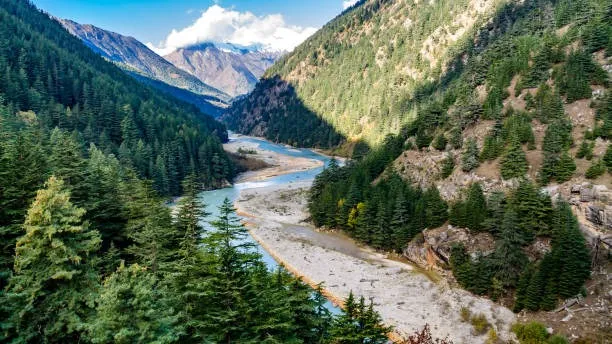
Harsil: The 'Mini Switzerland' of Garhwal
Imagine a valley so serene that even the mighty Bhagirathi river seems to flow in hush. Tucked away on the road to Gangotri, Harsil is an anomaly. It's a land of sprawling apple orchards, dense deodar forests, and a silence so profound it rings. It’s often called the ‘Mini Switzerland of India,’ but that almost feels like an injustice. Harsil has a magic that is entirely its own.
Its relative obscurity is its armour. While thousands rush past to the holy shrine of Gangotri, very few stop to breathe in Harsil. This keeps it pristine. The British administrator, Fredrick E. Wilson (locally known as ‘Pahari Wilson’), famously fell so in love with this village that he settled here, married a local woman, and built a massive timber bungalow that still stands today. When you walk through the orchards, you can almost feel that same pull.
How to Reach Harsil
Harsil is on the Uttarkashi-Gangotri road. The best way to reach it is by road from Dehradun (about 215 km) or Rishikesh. It’s a long, scenic drive that takes around 7-8 hours. The nearest airport is Jolly Grant in Dehradun.
Best Time to Visit and Vibe
The best time to visit Uttarakhand villages like Harsil is usually the same. April to June offers stunning weather, green valleys, and blooming flowers. However, for Harsil, September and October (post-monsoon) are equally magical, with crystal clear views of the snow peaks. The vibe here is pure tranquillity. It’s a place to slow down, write, paint, or simply stare at the mountains.
Supi: A Portal into Traditional Uttarakhand
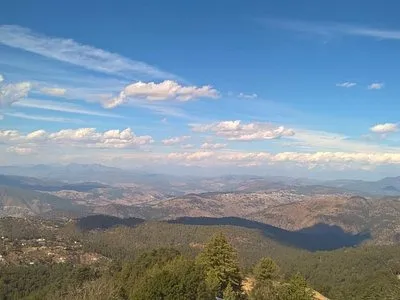
In the heart of the Kumaon region, nestled within the beautiful valley of the Sarju River, lies Supi. This isn't just a village; it’s a living museum. If you want to know what Uttarakhand looked like before electricity and motorable roads changed everything, you come to Supi. It’s a cluster of traditional stone and wood houses, many of them over a century old, built with the intricate architectural style known as Pahari art.
Supi is hidden not just geographically, but almost in time itself. There’s a beautiful slowness to life here. Men sit and smoke hookahs on their angan (porches), women skillfully tend to the terraced fields, and children play with a joy that doesn’t need a screen. The people here are warm, welcoming, and deeply proud of their Kumaoni heritage. Staying here is an exercise in cultural immersion.
How to Reach Supi
Supi is deep in Kumaon. The closest major town is Bageshwar. From Bageshwar, it’s about a 3-4 hour drive on winding mountain roads. The nearest train station is Kathgodam, from where you can hire a taxi.
Local Experiences in Supi
Your time here shouldn't be about ticking off sights. It's about participation.
-
Traditional Homestays: Stay with a local family. Learn how to cook a traditional Kumaoni thali (the Bhatt ki Churkani is a must-try).
-
Temple Visits: Supi has beautiful, ancient temples dedicated to local deities, each with a rich history and story.
-
Walk the Fields: The village is surrounded by sprawling terraced fields growing everything from finger millet (ragi) to kidney beans. A simple walk here is therapy.
Munsiyari: The Gateway to the Panchachuli
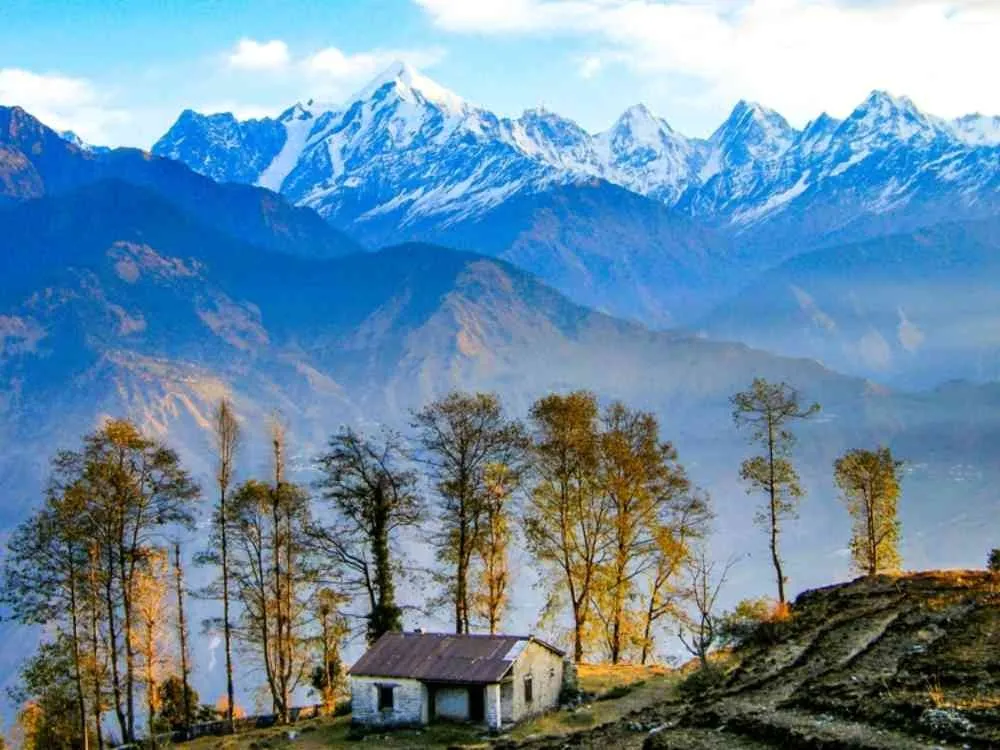
The name "Munsiyari" itself evokes a sense of wonder. Translating to "place with snow," this village, once a thriving center on the ancient salt route to Tibet, now serves as a sleepy, stunning gateway to the Johar Valley. Perched at an altitude of over 7,000 feet, Munsiyari is the closest you can get to the magnificent Panchachuli peaks (the five chimneys) without strapping on crampons.
This is arguably one of the most magnificent offbeat places in Uttarakhand. For the longest time, it was too remote for anyone but the most dedicated trekkers. Even today, the journey here is long and arduous. This barrier to entry has preserved Munsiyari as a haven for hikers, birdwatchers, and anyone seeking raw, unfiltered mountain beauty.
The Vibe and Experience
The moment you arrive, Munsiyari takes your breath away. The Panchachuli range, illuminated by the sunrise, is an image you will never forget. The vibe is adventurous yet peaceful. It’s a trekker’s hub, yes, but it’s also a deeply spiritual place for the local Shauka community. The town itself has a bustling market where you can buy genuine hand-knotted woolen rugs.
Best Time to Visit
April to June is perfect for trekking and seeing the valley in its full, green glory. October and November offer the clearest views of the mountains after the monsoons wash the skies clean.
Kanatal: The Forest Retreat Near Mussoorie
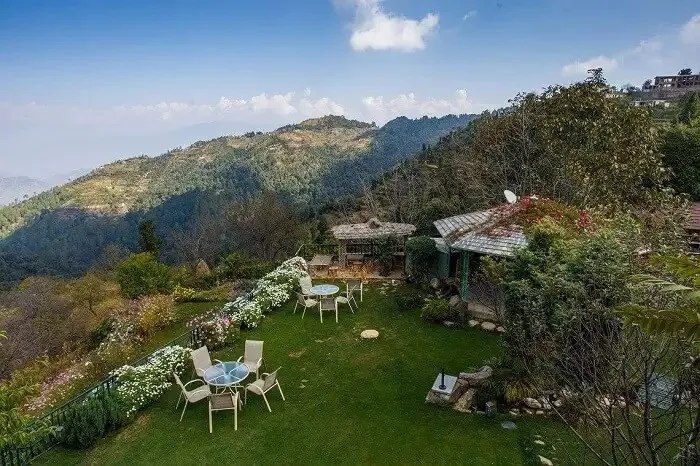
You’re looking for peace but can't drive 10 hours for it? Enter Kanatal. Sitting quietly on the Chamba-Mussoorie highway, Kanatal is a breath of fresh air, literally and metaphorically. While its famous neighbor, Mussoorie, is often bursting at the seams, Kanatal remains a calm oasis.
Kanatal is defined not by monuments but by its forests. It’s wrapped in dense stands of deodar, oak, and rhododendron. The vibe is cozy and secluded. It’s a fantastic option among remote villages in Uttarakhand for a weekend getaway that feels much further away from civilization than it actually is.
What to Do in Kanatal
-
Surkanda Devi Temple: A beautiful, easy trek (or a quick ropeway ride) will take you to this powerful shrine. The panoramic views of the entire Garhwal range from the top are simply staggering.
-
Kodia Jungle Walk: Take a long, gentle walk through the dense Kodia forest. If you’re lucky, you might spot wild boars, barking deer, or even a goral (a goat-like antelope).
-
Do Nothing: This is the specialty of Kanatal. Grab a cup of tea, pull up a chair with a mountain view, and just let the hours slip by.
Practical Uttarakhand Travel Tip
Since Kanatal is quite serene, the number of dining options is limited outside of the hotels. Plan accordingly, or better yet, stay at a resort or homestay that offers full meals.
Raithal: The Home of the Goat Village
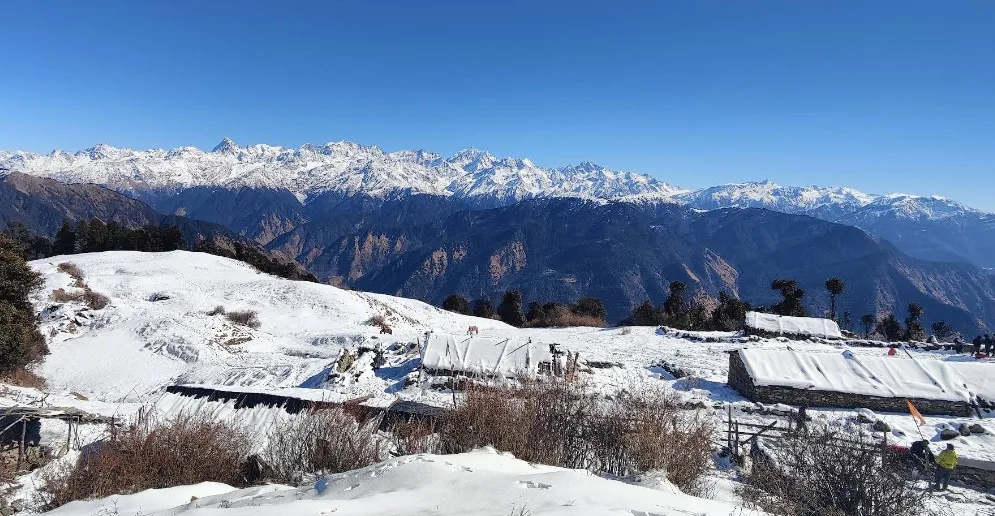
Deep in the Uttarkashi district, there's a village that isn't just about preserving tradition; it's about reinventing it. This is Raithal. While beautiful in its own right—full of slate-roofed houses and lush fields—Raithal has gained a unique fame as the home of "The Goat Village."
This initiative by a passionate social entrepreneur is an attempt to reverse the distressing trend of village migration. The Goat Village in Raithal is a hub of eco-tourism, organic farming, and sustainable living. Staying here is not just a holiday; it’s a direct contribution to the empowerment of the local community and the preservation of a way of life.
The Cultural Experience and Vibe
This is perhaps the most unique aspect of Raithal. Your experience is tied to the local agriculture. You’re not just watching the farmers; you can learn how to milk goats, help tend the vegetable patch, and understand the intricate water management systems that have sustained this village for generations. The vibe is wholesome, inspirational, and deeply communal. The views of the snow-clad Bandarpoonch peak add the final, perfect touch.
How to Reach Raithal
Raithal is a bit off the beaten path. It's about a 6-hour drive from Dehradun (via Uttarkashi). The final stretch involves a charming, winding mountain road. The Goat Village itself is a short, scenic trek (about 1.5 km) from the main Raithal village road.
Khati: The Last Village on the Pindari Glacier Trek
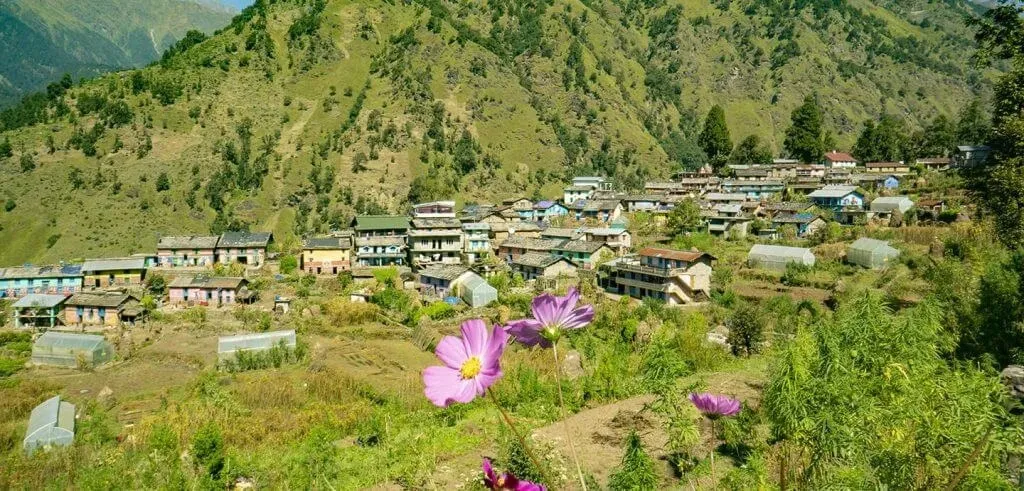
If you truly want to define the term remote villages in Uttarakhand, you look towards Khati. This is the last inhabited village on the famous trek to the Pindari Glacier. It sits in a high-altitude valley, where the Sarju River, still pristine and youthful, is joined by smaller glacial streams. Khati is not just secluded; it feels like it belongs to another world.
Life here is governed by the seasons. Winters are harsh, and the village often becomes cut off by snow, with many residents moving down to lower altitudes. In the spring and summer, the village bursts to life, a small island of human existence surrounded by a massive, untamed wilderness. It is, perhaps, one of the most authentic offbeat places in Uttarakhand you could visit.
What a Traveler Will Feel in Khati
A visit to Khati is humbling. When you stand in the village square and look at the towering walls of the mountains surrounding you, you understand the true meaning of "magnificence." The vibe is rugged and resilient. The people of Khati are strong and hearty, their lives a daily testament to their endurance. If you seek solitude in its purest form, this is it.
Best Time to Visit Khati
This is crucial. The only real window to visit Khati is from May to June or from September to October. Monsoon season (July-August) makes the trails too dangerous due to landslides, and the village is effectively closed off by snow during the winter.
Mana: The Village Where India Ends (Or Begins)
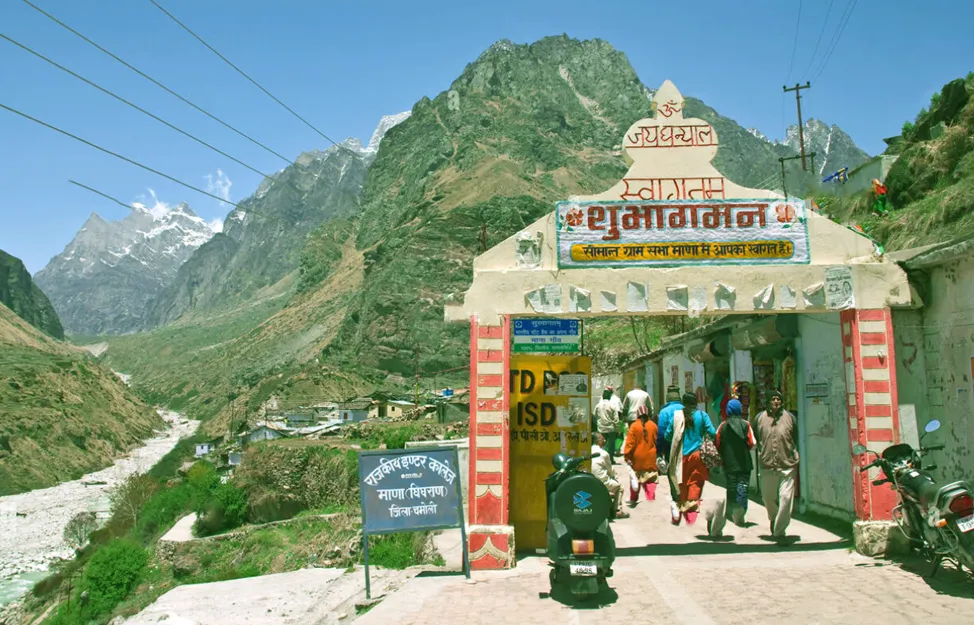
Located just 3 kilometers from the sacred town of Badrinath, Mana holds a special distinction: it is the "Last Indian Village" before the border with Tibet/China. Perched at an altitude of over 10,000 feet, this is a land where geography, history, and mythology seamlessly blend.
Mana is not your conventional hidden village. Because of its proximity to Badrinath, it sees a fair share of pilgrims. However, what makes it "hidden" is the depth of its experience. Most people just walk in for 30 minutes to get a photo by the "Last Shop." To truly experience Mana, you need to stay, explore, and let its story wash over you. It is a vital part of any Uttarakhand offbeat travel guide.
The Legends of Mana
This is where the mythology comes alive.
-
Vyas Gufa (Cave): This is the very spot where, according to legend, Maharishi Vyas narrated the epic Mahabharata to Lord Ganesha, who wrote it down. You can still see "books" in the rock formations.
-
Bheema Pul (Bridge): When the Pandavas were on their journey to heaven, they reached a point where the roaring Saraswati River was too strong to cross. The mighty Bheema then lifted a massive rock and placed it, creating this natural bridge that still stands.
Practical Uttarakhand Travel Tips for Mana
-
Woolens: Mana is very cold, even in peak summer. Pack heavy woolens.
-
Connectivity: Mobile network is almost non-existent here. Tell your family not to worry if you can't be reached.
-
Local Produce: Do not leave without trying (and buying) the famous hand-knitted woolen caps, mittens, and socks from the local Shauka women. They are of incredible quality and make a direct difference in their lives.
Peora: A Peaceful Paradise in Kumaon
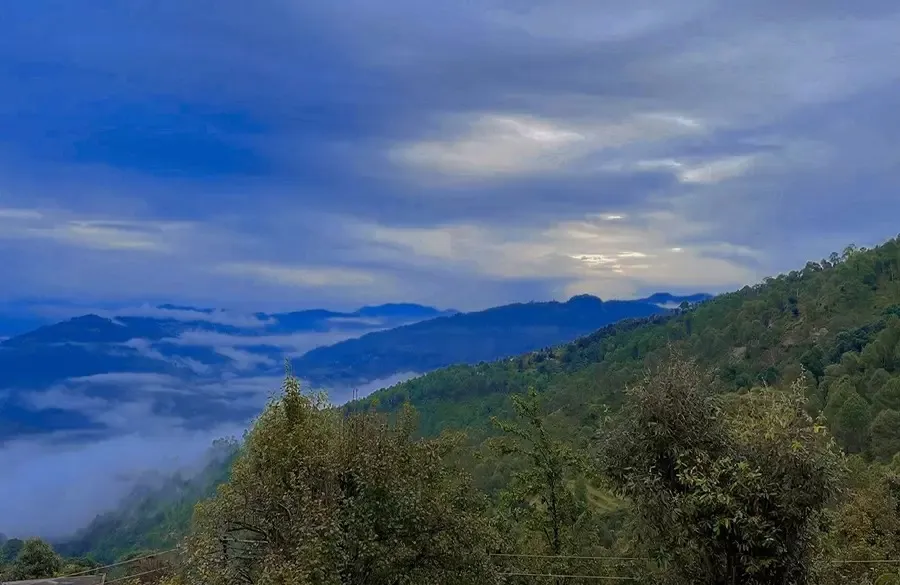
Sometimes, you don't need a famous trek, a mythical connection, or a historic building. You just need a perfectly placed balcony, a book, and an endless view of the snow peaks. This is the promise of Peora. Tucked away in the Kumaon hills, near the popular hill stations of Almora and Mukteshwar, Peora is a small fruit belt that somehow remained undiscovered by the mainstream.
This is the anti-Nainital. There is no mall road, no lake with paddle boats, and no commercial noise. Instead, Peora offers rows of stone houses, gentle, walking trails through pine forests, and a view of the Nanda Devi, Trishul, and Panchachuli peaks that will leave you speechless.
The True Spirit of an Offbeat Uttarakhand Getaway
The magic of Peora is its utter lack of commercialization. It’s an ideal spot for an Uttarakhand offbeat travel guide. Staying at a cozy homestay (many of which are beautiful colonial-era bungalows), you wake up not to an alarm, but to the sun kissing the mountain tops. The vibe is one of gentle comfort. It’s a place for long conversations over endless cups of tea, and for rediscovering the beauty of simplicity.
Best Time to Visit Peora
Peora is beautiful almost all year. The best time to visit Uttarakhand villages like Peora is still the spring and early summer (April-June), when the rhododendrons are in full bloom, painting the entire mountainside in shades of crimson. But a post-monsoon visit (September-October) is equally stunning for the crisp air and clear views.
Kausani: The Village Where Gandhi Saw the 'Switzerland of India'
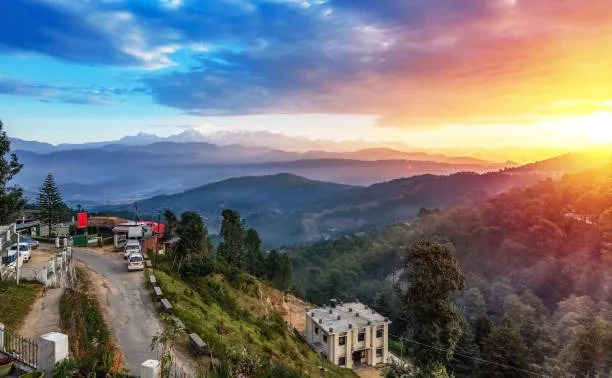
Let's be clear: Kausani is not completely "undiscovered." It's a popular spot in Kumaon. However, its true value often remains hidden in plain sight. Most travelers make a rushed pitstop here on their way to other places, which is a tragedy. Kausani, perched on a pine-crested ridge, offers one of the most comprehensive and close-up views of the Himalayan range.
So, why include it on a list of "hidden" villages? Because to really see Kausani is to escape the main market and its few commercial hotels. The true spirit of this place is found in its ashram, its tea estates, and the quiet, morning light.
The Kausani Experience
-
Anashakti Ashram: It was here that Mahatma Gandhi spent two weeks and was so captivated by the beauty and serenity that he named it the "Switzerland of India." The ashram is a beautifully simple place, perfect for quiet reflection.
-
The View: This is the headline act. Kausani offers a 300-km panoramic view of peaks including Trishul, Nanda Devi, and Panchachuli. The way the light changes on these peaks at sunrise and sunset is a divine experience.
-
Kausani Tea Estate: A short drive away, you can visit a working tea estate. Walk through the lush green fields and taste some of the finest high-altitude tea.
This list could go on, of course. Uttarakhand is a land of countless such hidden sanctuary villages, each with its own story, its own flavor, and its own unique magic.
Choosing to visit these places is more than just a holiday choice; it's a statement. It's about saying that you value silence over noise, authenticity over spectacle, and connection over superficiality. It’s about being a traveler, not just a tourist. These hidden tourist villages in Uttarakhand are the custodians of the mountains' soul. Visit them with respect, and they will give you memories that no postcard from a crowded hill station could ever match. The road is calling.
Conclusion
The main hill stations of Uttarakhand have their place, but if you’re looking for the true essence of the mountains, you need to head to these offbeat villages. From the apple orchards of Harsil to the mythical tales of Mana, these places offer something far more valuable than standard sightseeing: a sense of peace, a deep connection to nature, and an authentic glimpse into a beautiful and enduring culture. Trading traffic jams for winding mountain paths is the best travel decision you will make. Your soul will thank you.
FAQs
What is the best way to travel to these remote villages?
The most practical and common way to reach these villages is by road. While you can take a train to a hub like Dehradun or Kathgodam, or fly into Jolly Grant airport, the last leg of the journey will almost always involve a private taxi or, in some cases, a rugged local bus. Be prepared for long drives on winding, mountain roads.
Are there good stay options in these hidden villages?
You won't find large, luxury chain hotels in most of these places. This is a blessing! The best, and often only, stay options are local homestays and eco-lodges. Staying in a homestay is a fantastic way to experience local life, enjoy genuine Kumaoni or Garhwali hospitality, and try delicious home-cooked meals. There are also a few boutique properties and resorts in slightly more accessible places like Kanatal and Peora.
Do I need to book in advance for these places?
Yes, especially for the more popular homestays and in the peak best time to visit Uttarakhand villages (April-June and September-October). Because these places are small and have limited capacity, they can fill up quickly. Booking ahead is always recommended to avoid being stranded.
How is the mobile network in these remote areas?
It's very erratic. In some villages like Kanatal and Peora, you’ll get decent BSNL and sometimes Airtel connectivity, but data speeds will be slow. In more remote places like Khati or Mana, you might lose network completely for days. Embrace this as part of the experience. It's a rare chance to truly unplug. Always inform someone of your itinerary.

0 Comments
No comments yet. Be the first to share your thoughts!